Best Seasons for Privacy Fence Staining
Timing for privacy fence stainings depends on climate, wood condition, and seasonal weather patterns. Proper timing ensures optimal adhesion, durability, and appearance of the stain. Typically, the best periods are during mild, dry weather with low humidity and temperatures that do not fluctuate excessively.
Late spring and early fall are preferred due to moderate temperatures and low rainfall, which help the stain set properly.
Avoid staining during heavy rain, extreme heat, or freezing temperatures to prevent issues like peeling, uneven drying, or mold growth.
Optimal temperatures for staining are generally between 50°F and 85°F, ensuring proper absorption and curing.
Low to moderate humidity levels are ideal; high humidity can slow drying and affect stain adhesion.
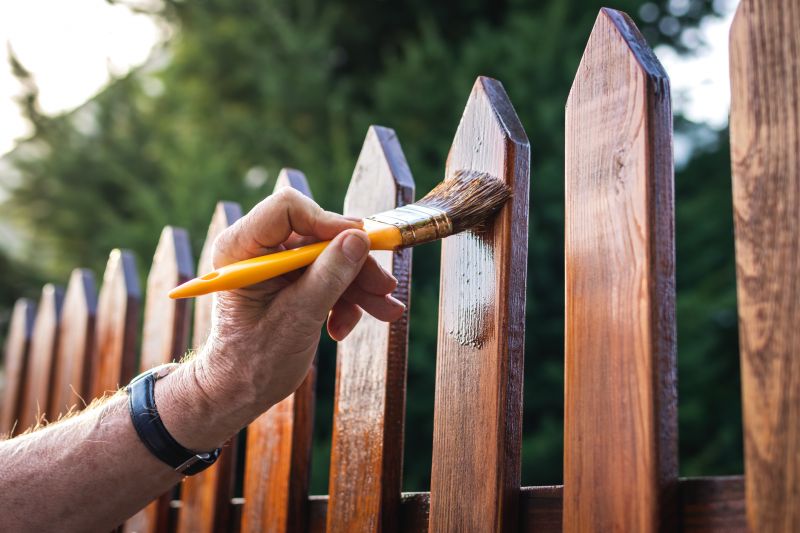
Spring offers moderate temperatures and less humidity, making it suitable for staining after cleaning.
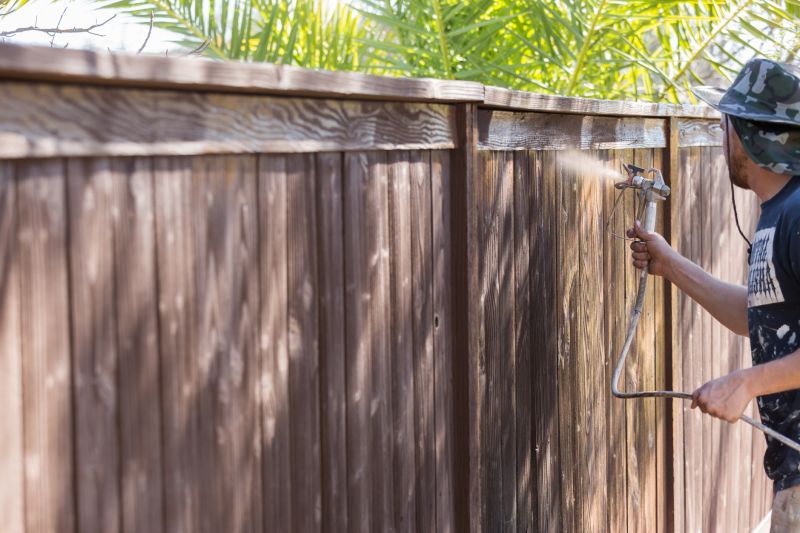
Early summer can be ideal, provided temperatures stay within recommended ranges and humidity is manageable.
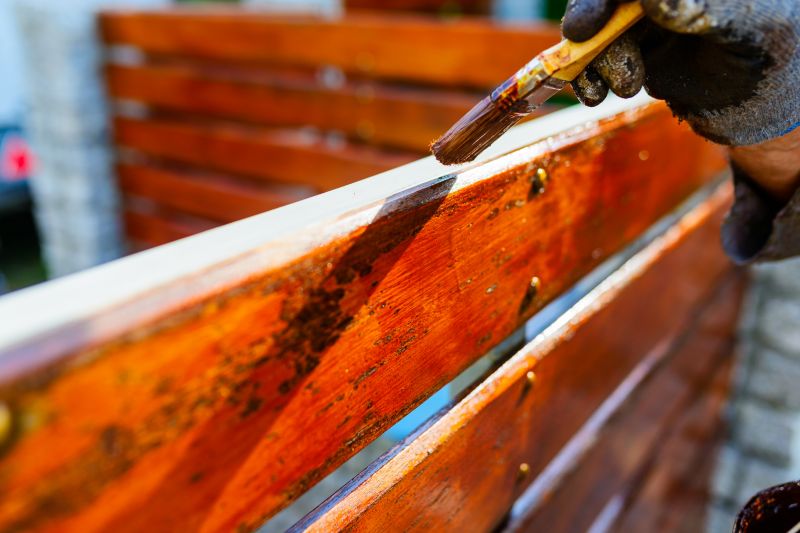
Fall provides cooler, dry conditions that are conducive to stain adhesion and longevity.
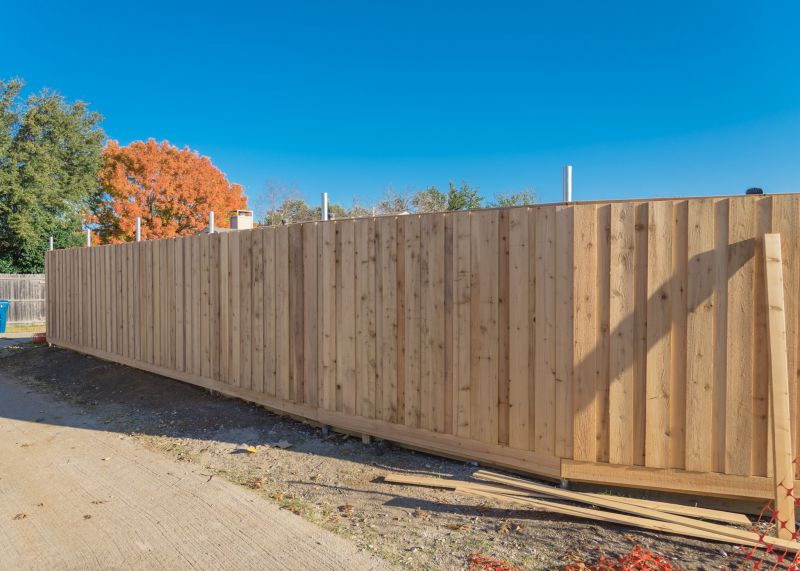
Ways to make Privacy Fence Stainings work in tight or awkward layouts.
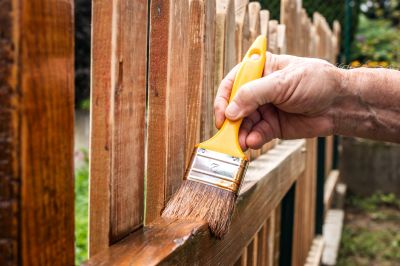
Popular materials for Privacy Fence Stainings and why they hold up over time.
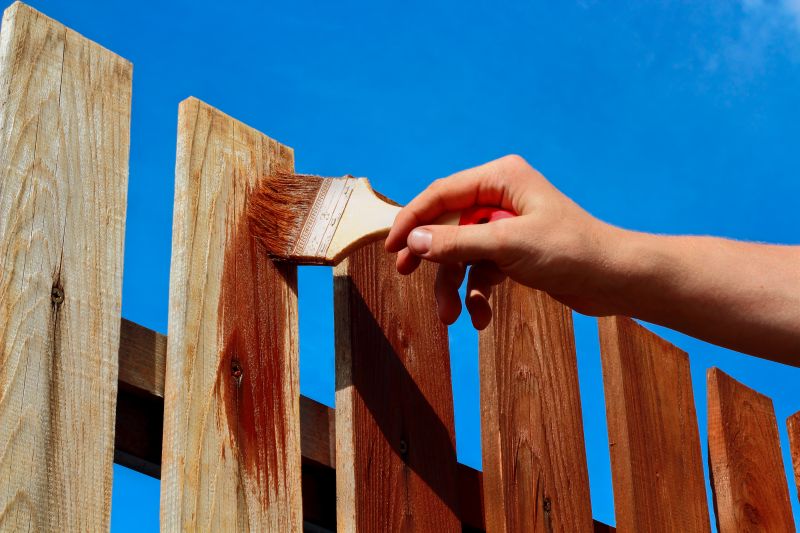
Simple add-ons that improve Privacy Fence Stainings without blowing the budget.
Privacy fence stainings serve both aesthetic and protective purposes, enhancing the appearance of wood while shielding it from moisture, UV rays, and pests. Properly stained fences can last several years, maintaining their color and integrity with minimal maintenance. The choice of stain type, application method, and timing all influence the fence's lifespan and visual appeal.
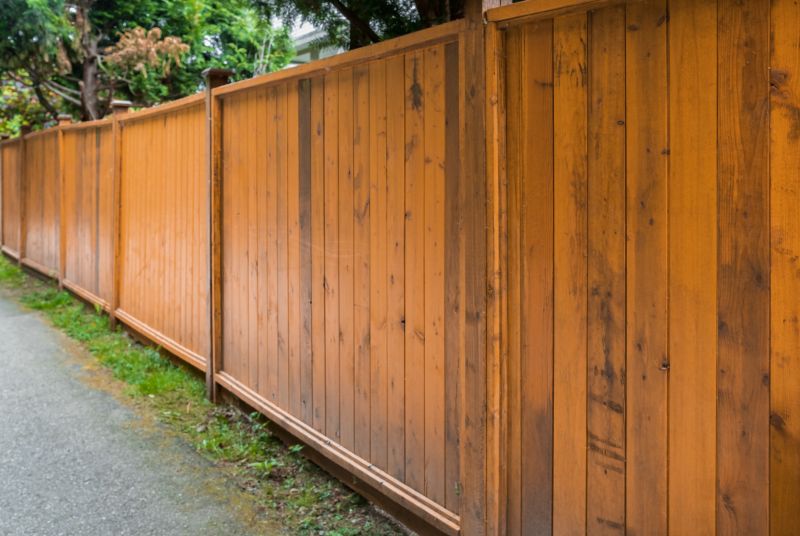
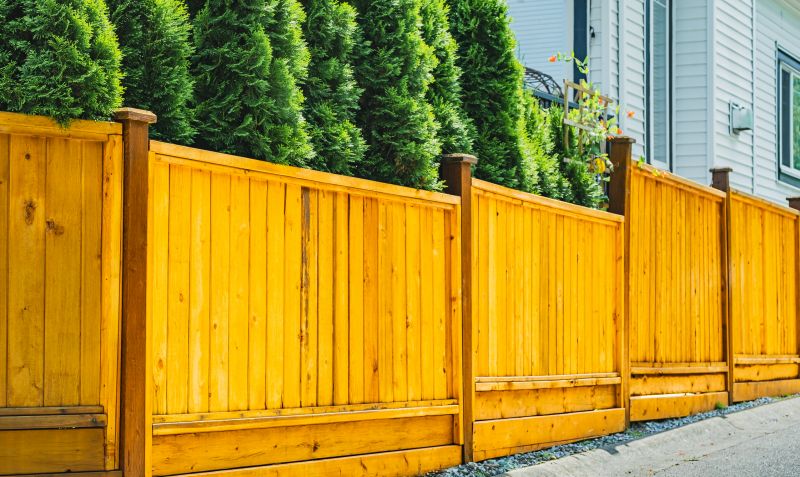
A well-stained fence provides a uniform, attractive appearance and increased resistance to weathering.
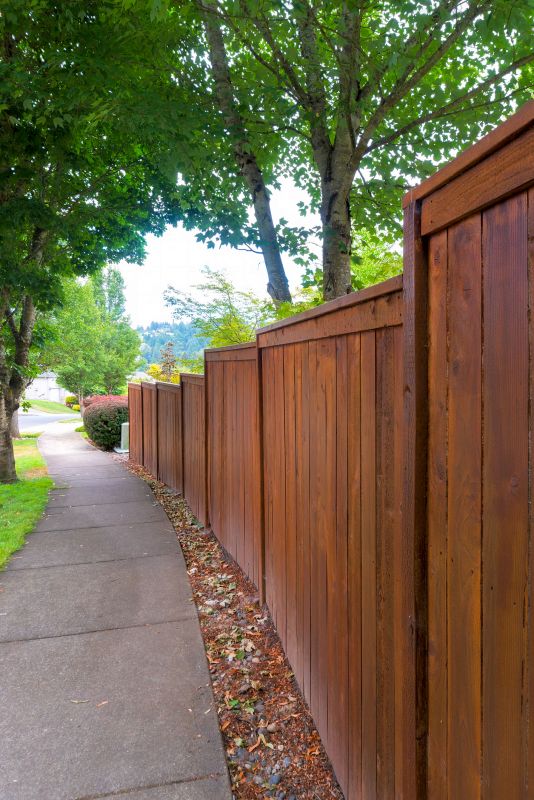
Detailed view showing the even application and rich color of the stain.
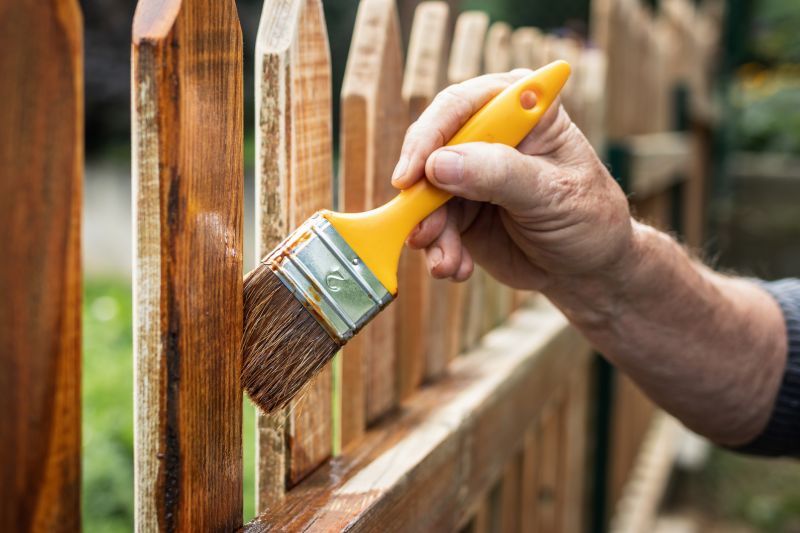
Additional protective layers extend the life of the stain and enhance durability.
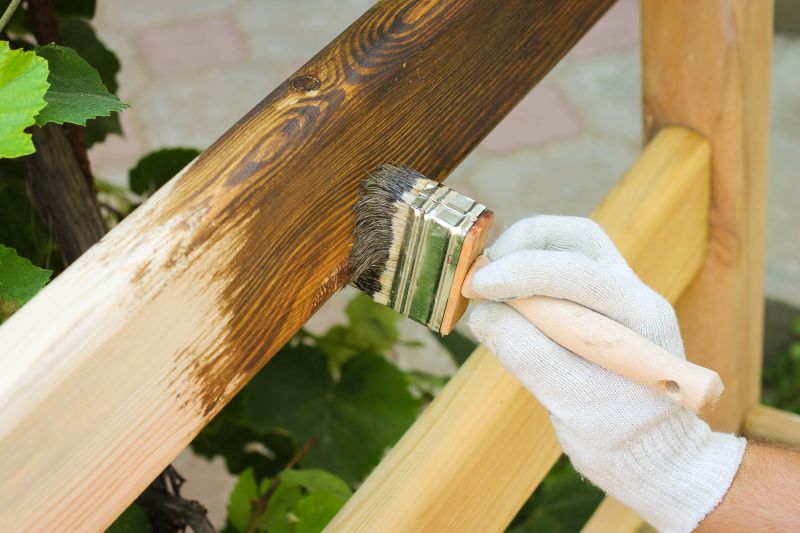
Shows the importance of staining to restore and protect aged or faded fences.
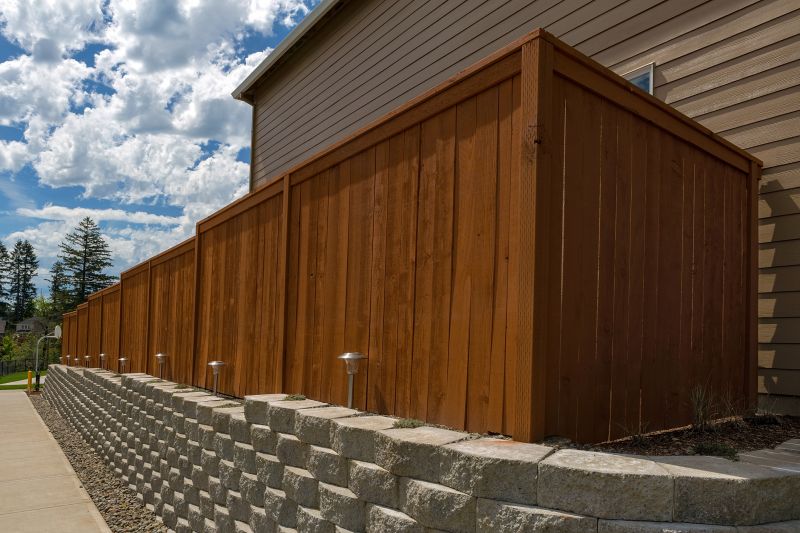
High-end options that actually feel worth it for Privacy Fence Stainings.
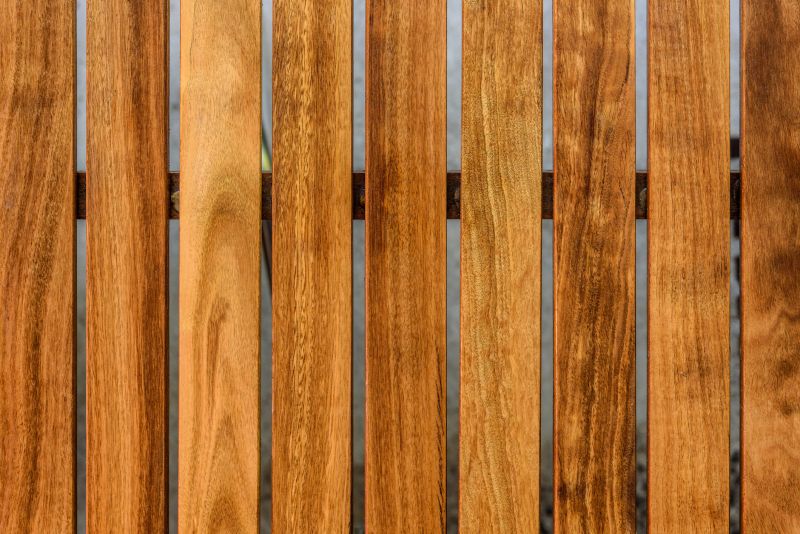
Finishes and colors that play nicely with Privacy Fence Stainings.
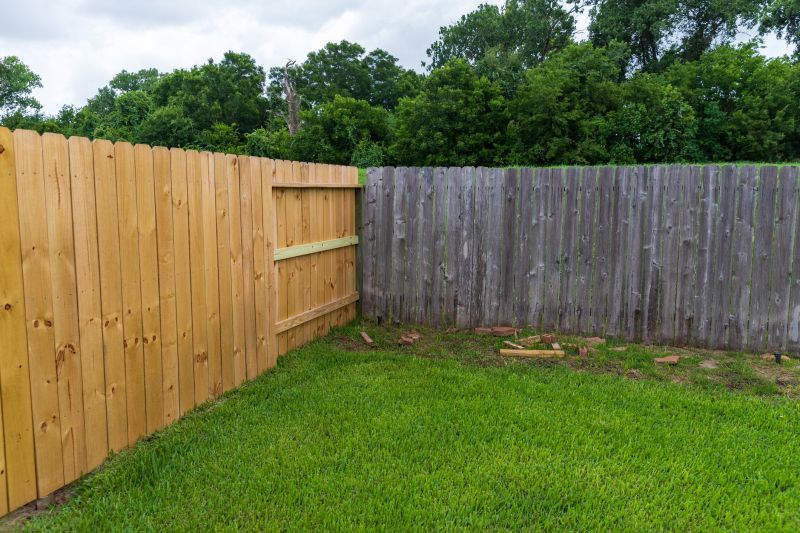
Little measurements that prevent headaches on Privacy Fence Stainings day.
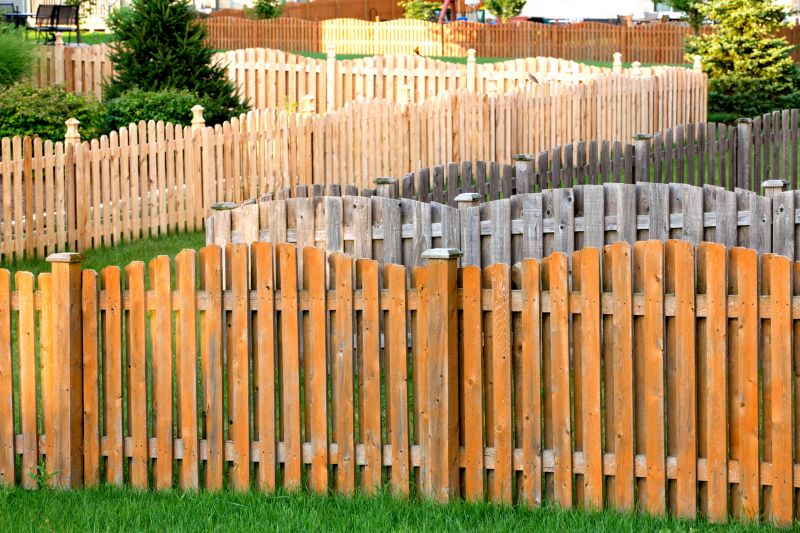
A 60-second routine that keeps Privacy Fence Stainings looking new.
| Season | Recommended Conditions |
|---|---|
| Spring | Moderate temperatures, low humidity, no rain |
| Summer | Warm temperatures, low to moderate humidity, dry days |
| Fall | Cooler temperatures, dry weather, moderate humidity |
| Winter | Not recommended due to freezing temperatures and moisture |
Choosing the right time for privacy fence stainings can significantly impact the longevity and appearance of the finish. Monitoring weather forecasts and ensuring the fence is dry and clean before application are key steps. Proper timing helps achieve a smooth, even stain that provides effective protection and enhances curb appeal.
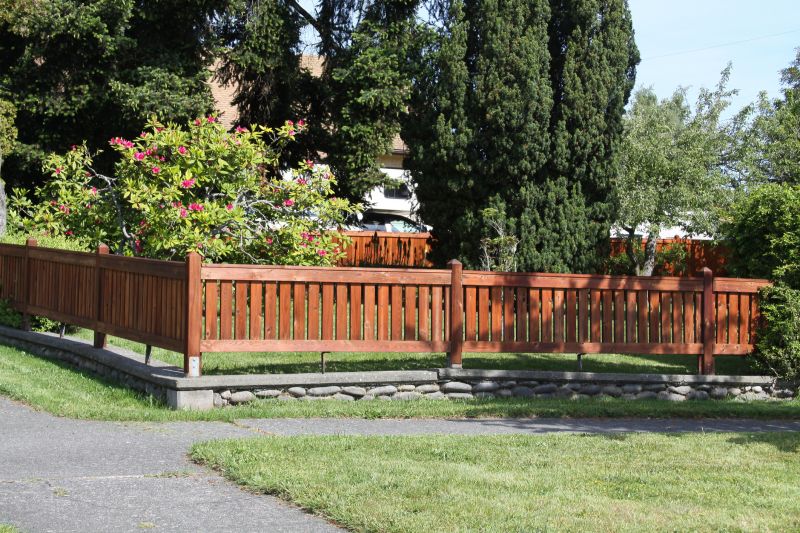
Shows the vibrant, protective finish achieved when staining is done at optimal times.
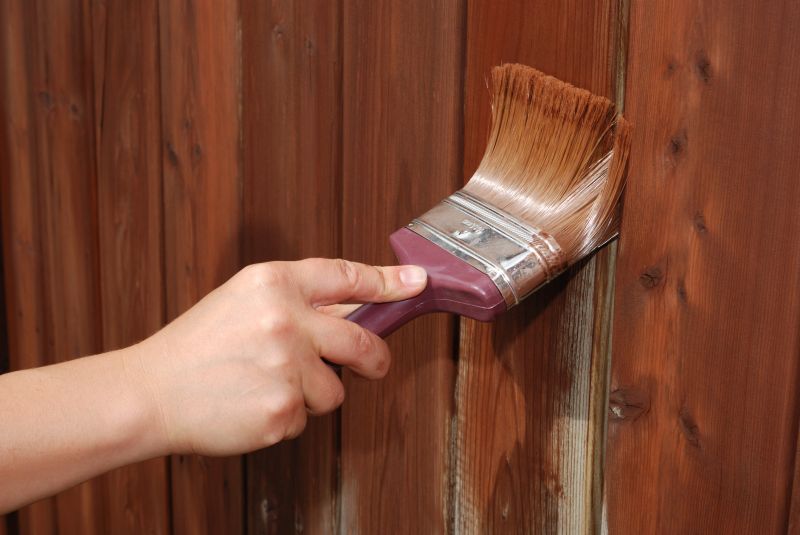
Properly prepared and dry fence ready for staining.
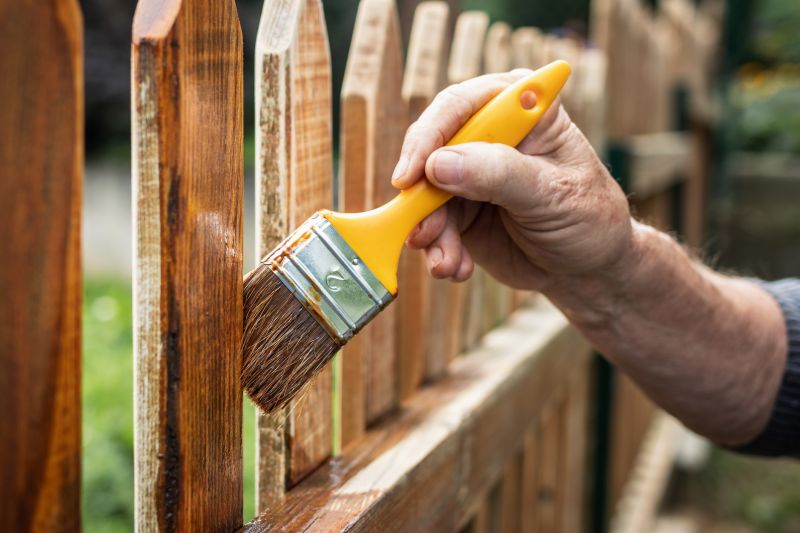
Visual comparison of fences stained in different seasons.
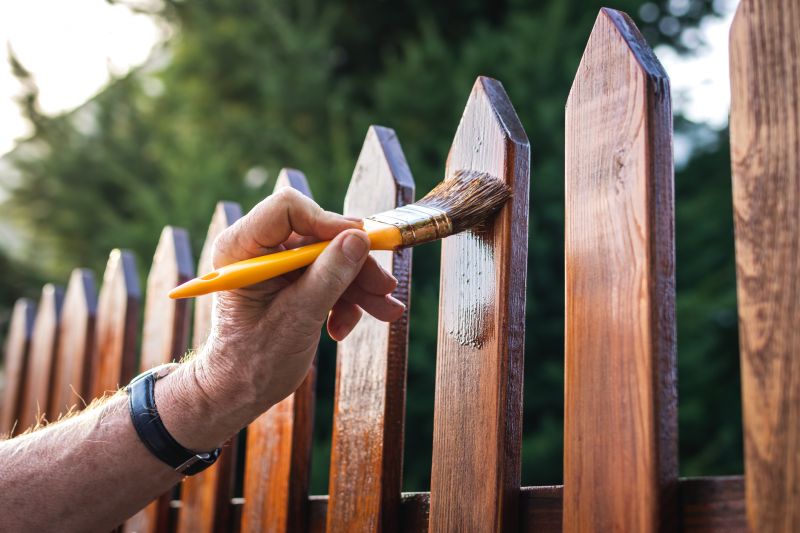
Regular upkeep extends the life of stain and preserves appearance.
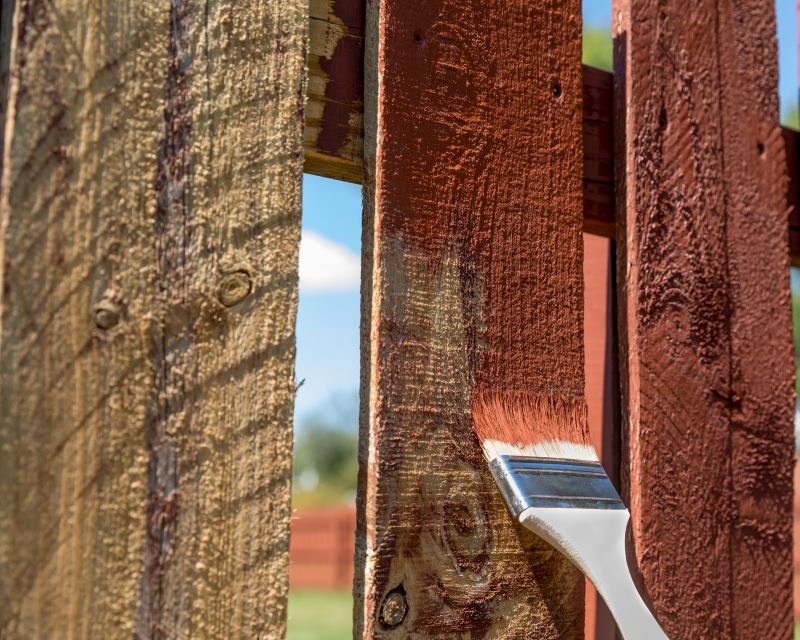
A frequent mistake in Privacy Fence Stainings and how to dodge it.
Small tweaks to make Privacy Fence Stainings safer and easier to use.
Lower-waste or water-saving choices for Privacy Fence Stainings.
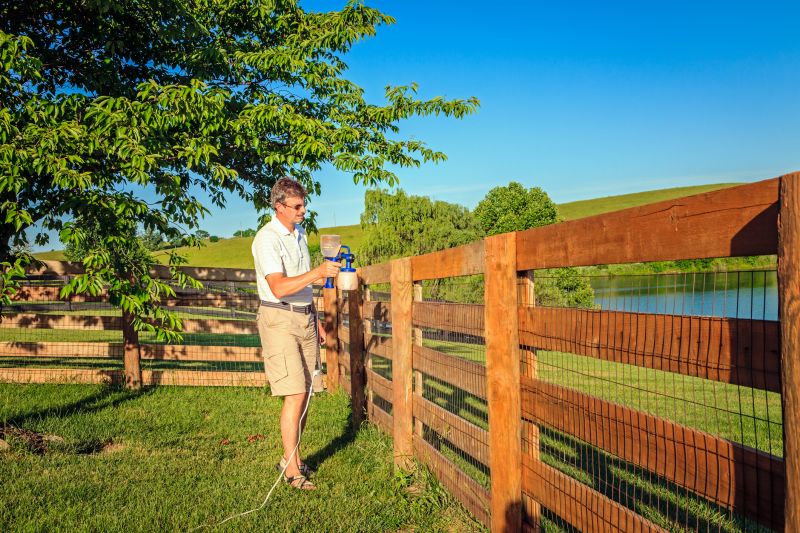
The short, realistic tool list for quality Privacy Fence Stainings.
Interested in enhancing the privacy and appearance of a property with fence staining? Fill out the contact form to get more information and schedule a staining service tailored to the optimal season for the specific climate and fence condition.